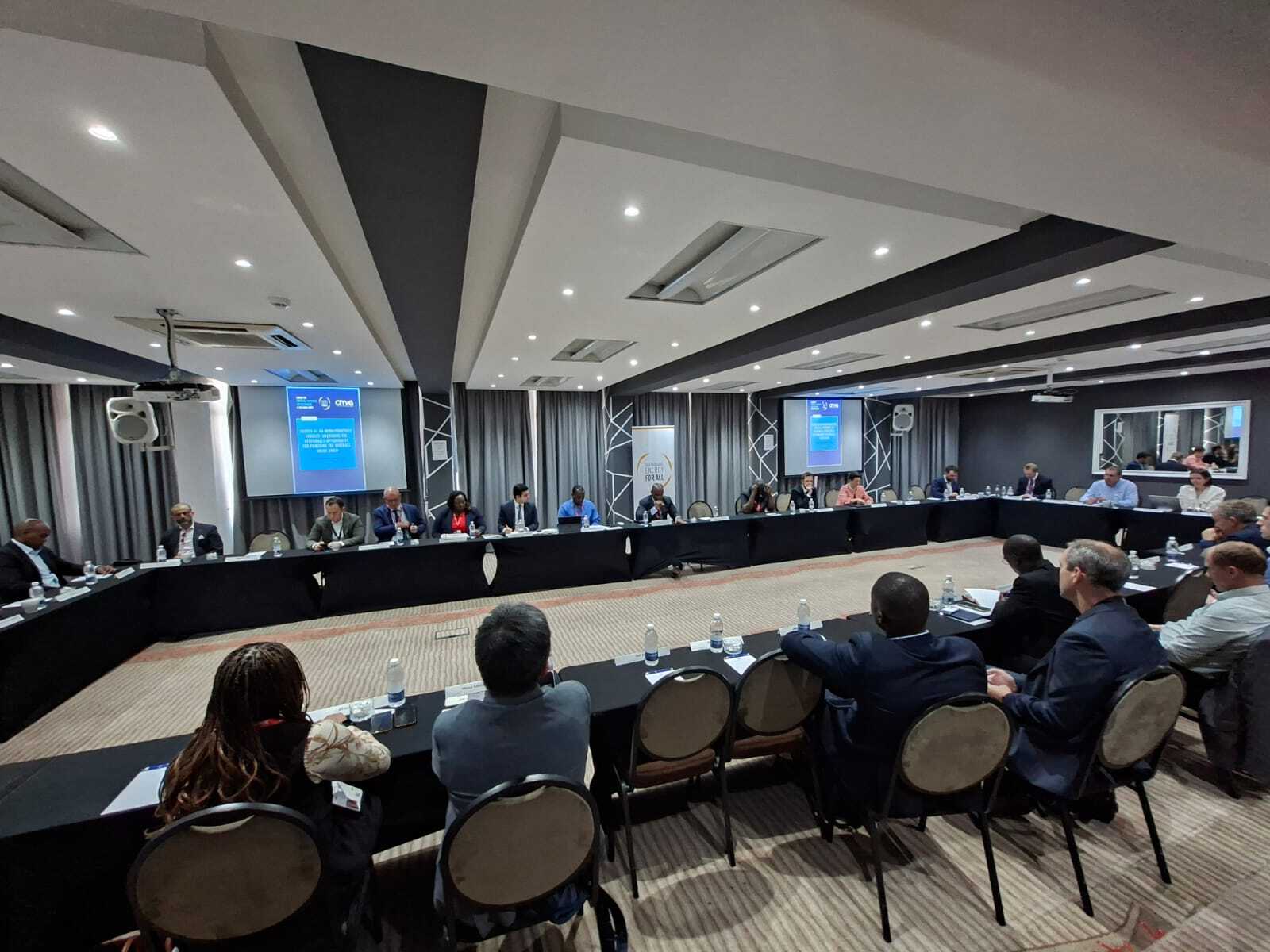
Africa stands at the forefront of the global energy transition – not only as a continent endowed with abundant critical minerals but also as a growing market for clean energy solutions and green technologies. Governments across the continent have laid out bold policy visions to industrialize and capture more value from these resources, from battery-grade minerals to electric mobility and renewable energy.
However, ambition needs to be matched by implementation, and partnerships will remain fundamental for unlocking investments, infrastructure, and access to technology, know-how and markets. Aligned with Mining Indaba 2026’s theme “Stronger Together: Progress through Partnerships”, Sustainable Energy for All (SEforALL), The Critical Minerals Africa Group, UNIDO’s Global Alliance for Responsible and Green Minerals, and the Council for Critical Minerals Development in the Global South, and the Paris Peace Forum’s Global Council for Responsible Transition Minerals, are convening a series of roundtables to convene governments, industrial development corporations, regional and national investment agencies and industry to discuss concrete partnerships necessary to address key gaps facing Africa’s value addition implementation agenda.
.png)
.png)
Energy as an Infrastructure Enabler: Unlocking the Renewables Opportunity for Powering the Minerals Value Chain
Organizers: SEforALL, Council for Critical Minerals Development in the Global South, Critical Minerals Africa Group (CMAG)
Date & Time: Wednesday, 11 February 2026 | 09:00–10:30
Access to reliable, affordable and sufficient energy will underpin countries’ ambitions to attract investment in local beneficiation and value addition projects. Energy is a key infrastructure enabler, and renewables offer an increasingly cost-effective, abundantly available and environmentally sustainable source of energy for many countries in Africa. With industry’s growing sensitivity on ESG and efforts to develop and contract renewable supply, energy sector supply-side and infrastructure planning, and regulatory frameworks need to account for growing demand and build enabling conditions for renewable energy supply to be effectively integrated into minerals production and value addition processes.
The roundtable will bring together practical examples from the continent on innovative policy, regulatory and delivery model approaches that enable a shift towards strengthening renewable energy supply for mining and minerals value addition, while also nurturing a domestic clean technology industry. The discussions will highlight suggested actions to scale-up investment in renewable energy projects in the mining sector, including generation and national and regional transmission infrastructure.

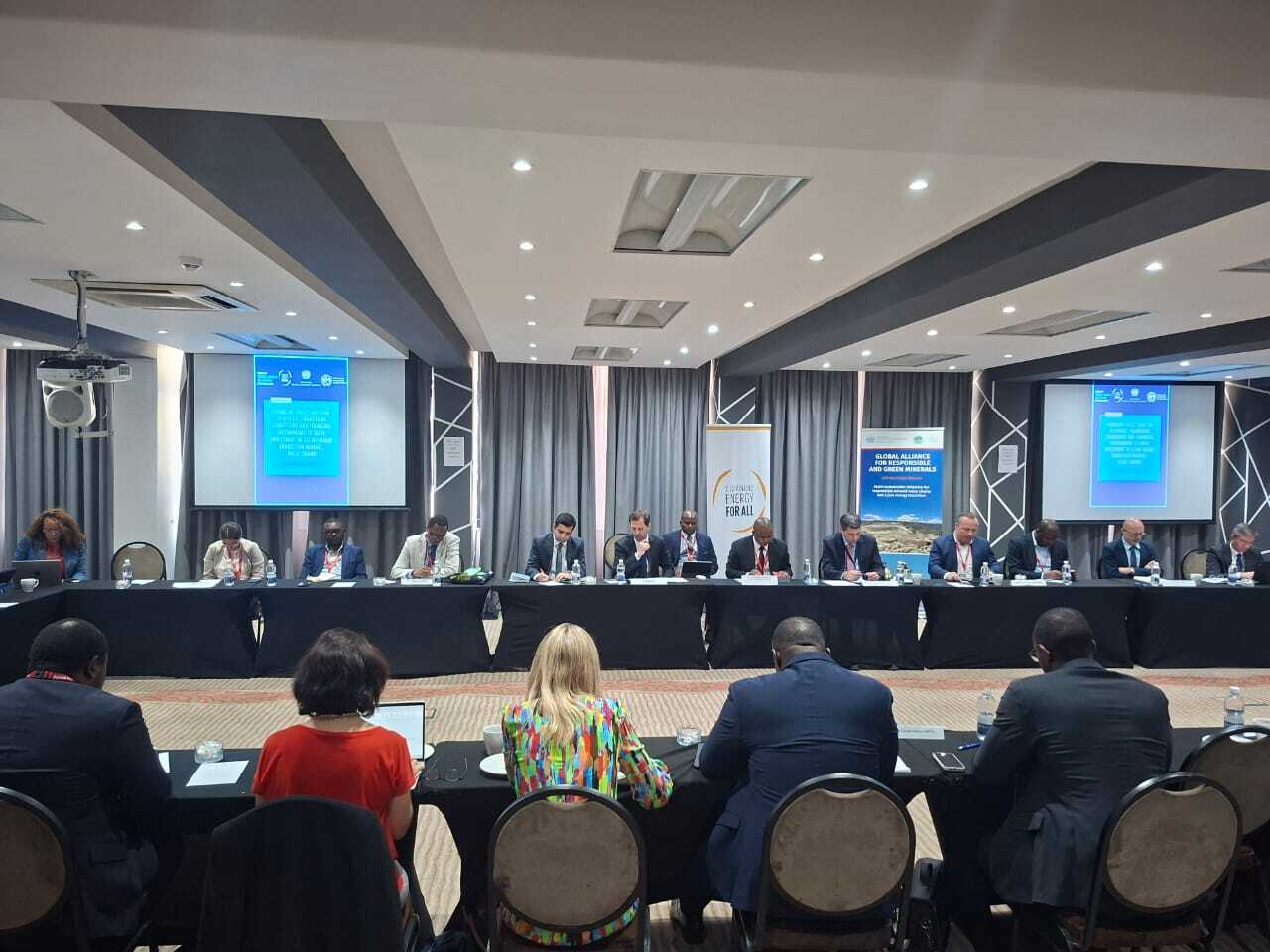
Financing Value Addition in Africa: Framework Conditions and Financing Mechanisms to Drive Investment in Clean Energy Transition Mineral Value Chains
Partners: SEforALL, Council for Critical Minerals Development in the Global South, UNIDO Global Alliance for Responsible and Green Minerals
Date & Time: Wednesday, 11 February 2026 | 11:30–13:00
Africa’s ambition to move beyond raw material exports toward increased participation in the clean energy technology supply chain hinges on creating the right policy environment to attract investment and mobilize capital across the minerals and technology value chain. Yet access to the right forms of finance remains a major bottleneck. This roundtable will convene decision-makers from governments, industry, civil society, export finance agencies, development finance institutions, and private investors to identify policy requirements and actionable solutions for financing value addition in Africa’s transition mineral economy. Discussions will identify opportunities for African countries to increase value addition along the mineral supply chain ranging from increased local production of service providers to the sector to processing minerals and assembling finished goods. The diverse types of capital required will be highlighted, from early-stage finance, project development capital, and infrastructure investment to working capital for processing facilities, corporate financing for manufacturing firms, and de-risking instruments.
Anchored in the objectives of the AU’s African Green Minerals Strategy and the G20 Critical Minerals Framework, the session will bring practical insights and explore models for blended and catalytic finance that can develop the domestic supplier service sector to the mining industry, drive industrial growth based on value addition of minerals, promote technology transfer, and build regional manufacturing ecosystems for key clean energy technologies such as batteries, solar PVs, and EV components. By clarifying what framework conditions are necessary to attract investment, identify the investment gaps and how financial collaboration can close them, this dialogue aims to define a shared pathway toward a more inclusive and competitive African role in global clean energy supply chains.

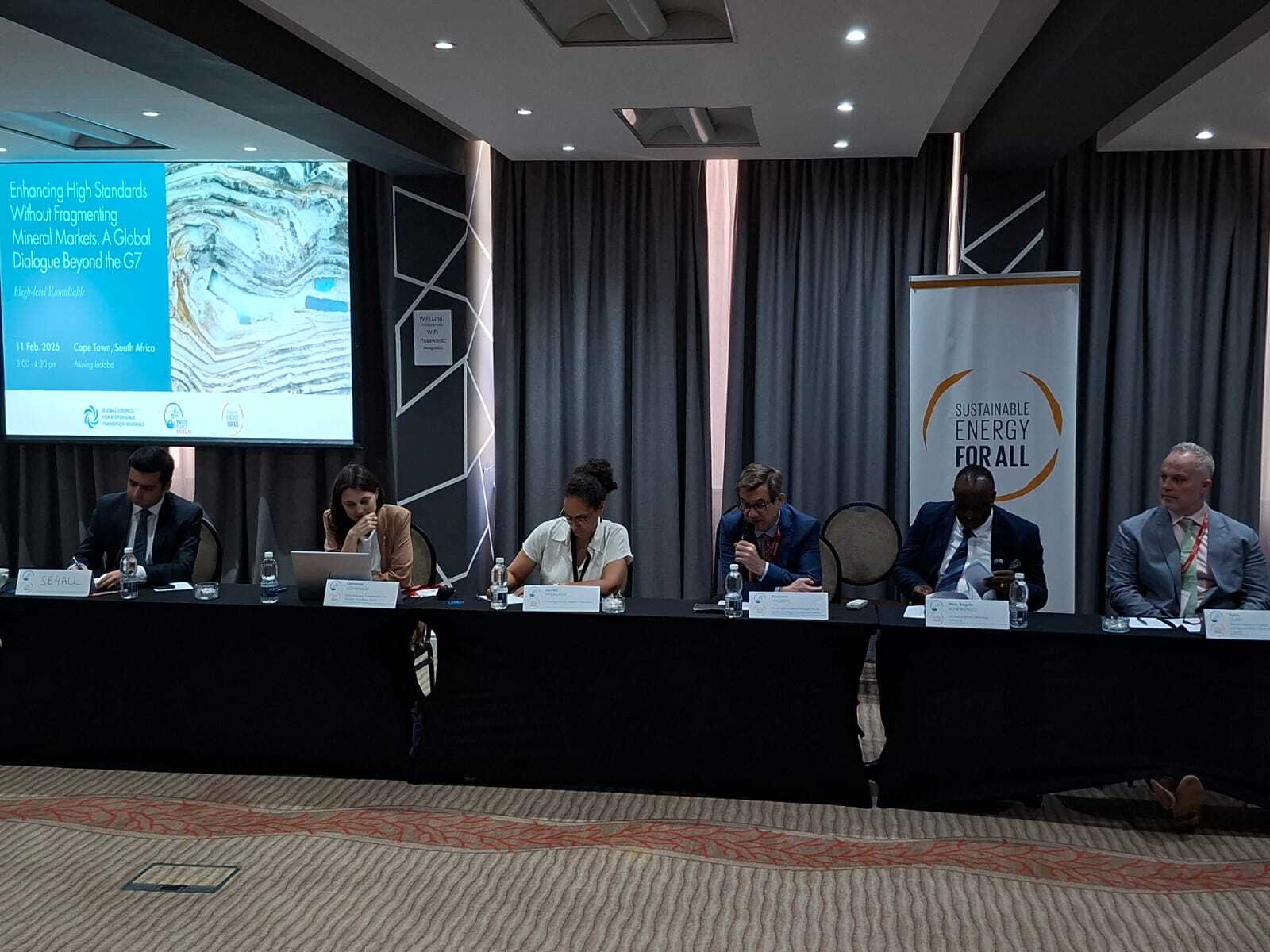
Enhancing High Standards Without Fragmenting Mineral Markets: A Global Dialogue Beyond the G7
Partners: Paris Peace Forum, Global Council for Responsible Transition Minerals, SEforALL, Council for Critical Minerals in the Global South
Date & Time: Wednesday, 11 February 2026 | 15:00–16:30
As the demand for minerals surges to meet global energy transition goals, geopolitical competition, export controls, and concentrated value chains are straining the pace and scale of minerals production needed for global decarbonization. In 2025, G7 leaders adopted a Critical Minerals Action Plan and Roadmap to promote “standards-based markets” and ensure the security of the supply while raising the bar on responsible practices. While essential for transparency, sustainability, and resilience, this push could risk creating a two-tier global system that could marginalize resource-rich countries.
Africa, endowed with many of the minerals needed for the transition, sits at the center of this shifting landscape. At a time when governments are expanding production, pursuing local processing, and aligning mining with national development strategies, a market access requirement could sideline producers if not designed inclusively. In its recent Position Paper, the Global Council for Responsible Transition Minerals outlines pathways to uphold high standards without fragmenting markets, emphasizing the need to build on existing tools, avoid weaponization, engage beyond G7 countries, foster responsible industrialization, and unlock investment.
This roundtable in the margins of Mining Indaba 2026 will convene producing countries, industry leaders, G7 representatives, and experts to assess evolving governance initiatives, examine risks and opportunities in standards-based markets, explore cooperation opportunities beyond G7 and G20 economies, identify mechanisms to scale responsible investment, and inform the next 2026 French G7 presidency.
Contact for expressions of interest:
📧darryn.allan@seforall.org